Making the Best Sushi is All in the Training
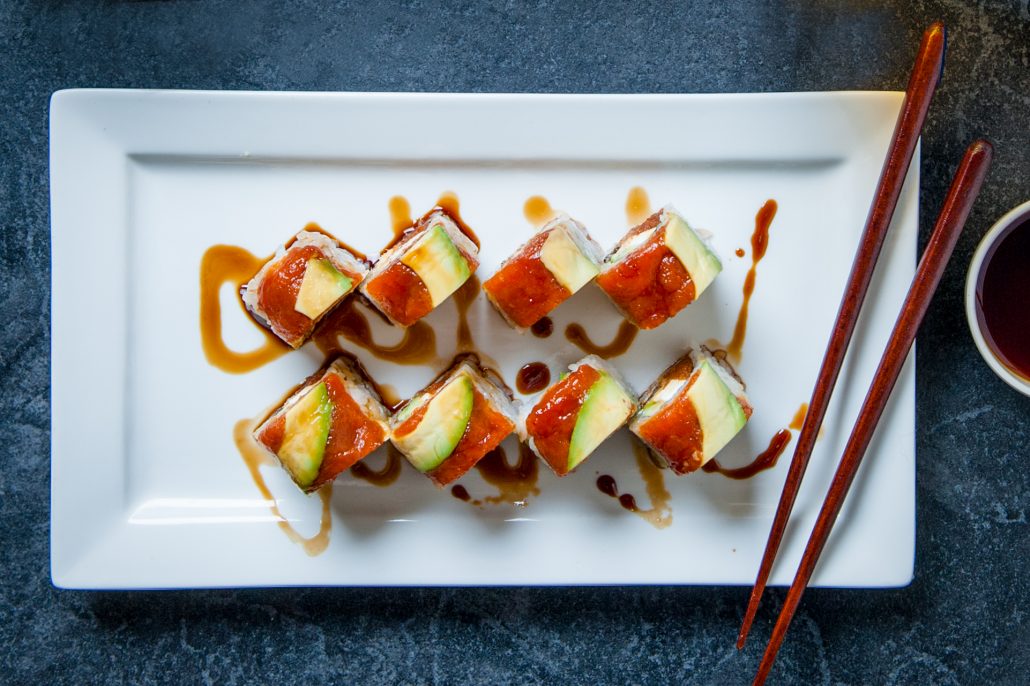
As you sit back and enjoy that exquisite sushi roll at Osaka in Las Vegas or your favorite Japanese restaurant in your hometown, have you ever wondered just what it takes to learn and master the delicate art of making great sushi? Turns out that making sushi is a lot more complex and subtle a specialty than you might think. Skilled sushi chefs who prepare truly authentic Japanese sushi go through years of rigorous training, often up to 10 years, to become an itamae, or sushi master.
Becoming an Itamae or Sushi Chef
In Japan, the title of a head sushi chef, or itamae, is an exceptionally prestigious and revered title. It is not loosely awarded and only the best of the best get to have it. The term Itamae translates to “in front of the board”, that is this is the person in charge of all that happens on the board where sushi preparation takes place. They are charged with the responsibility of preparing sushi, ruling the sushi kitchen, and pleasing the guests. An itamae in Japan is highly revered and honored.
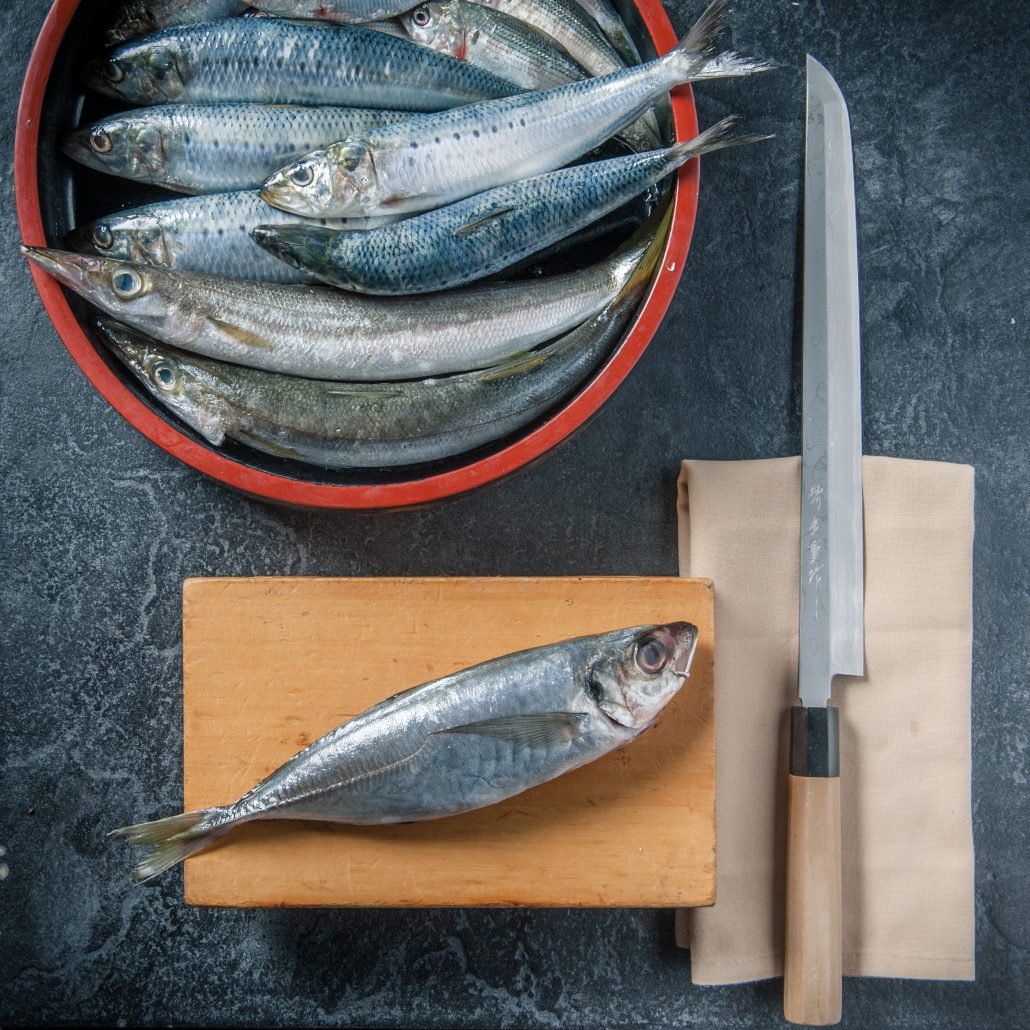
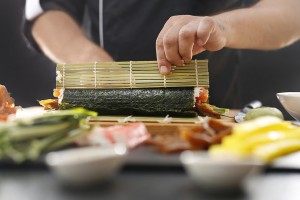
Aspiring itamae students must come prepared for grueling training and the challenges of the trade. To begin with, great sushi making demands excellent manual dexterity. Sushi makers must have expert knife skills and be able to achieve absolute precision. And the art of sushi making demands creativity in order to build a distinct and memorable sushi menu and reputation.
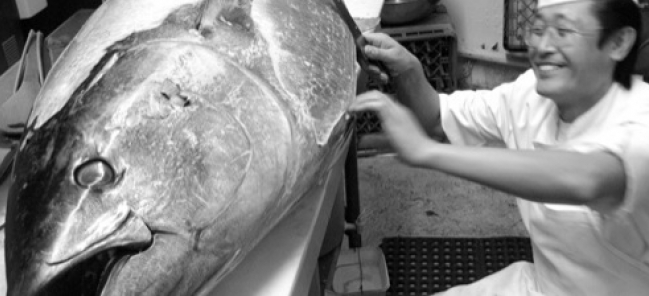
Expert knife skills are important to be able to cut fish different types of fish expertly and precisely in order to bring out the best pieces of the fish. In sushi preparation, rice and the careful mixing of sauces and arrangement of other ingredients must also be very exact. Neatness and accuracy are crucial. Each sushi making session must result in perfect rolls, including carefully prepared sushi rice with exactly the proper balance of vinegar and salt, that present a visually stunning and deliciously perfect piece of sushi for the guest with each bite.
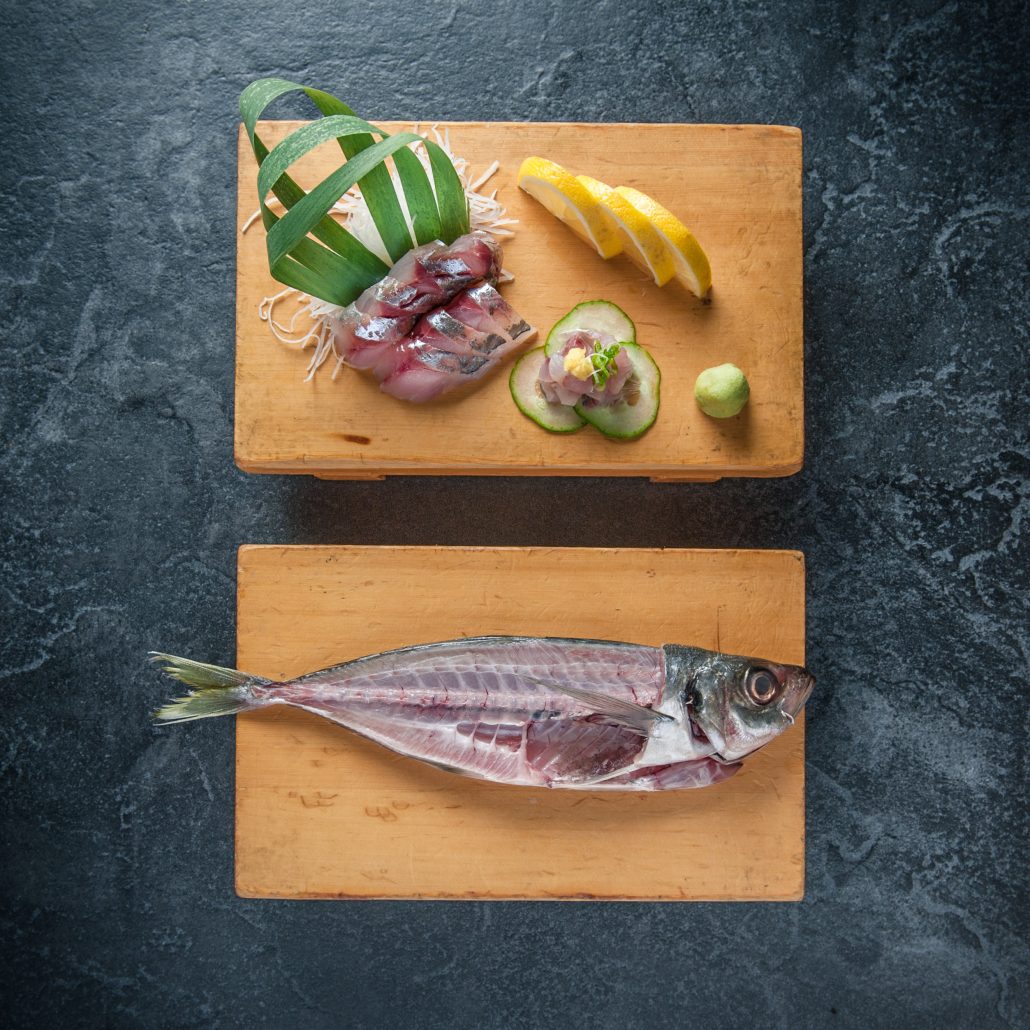
With so much to master, the road to attaining the itamae standard is long, tough and requires complete professional devotion of time and skills. Here is the path the future itamae will most commonly take:
Sushi training school and apprenticeship
There are many schools today offering courses on how to train as a sushi chef. However, while these courses may equip students with the concepts and some mechanical skills of sushi preparation, the journey to becoming an expert and revered itamae requires extensive experience and apprenticeship. Programs limited to school training often fail to engrain the intense devotion and discipline, or allow time for learning, making mistakes and trying again, that makes for a truly master sushi chef. In Japan, the real way to become a respected sushi chef is to learn on the job; starting from the very bottom and working your up to the top.
Start with cleaning duties
In Japan, an aspiring itamae must learn the discipline of hard work. He will start in his first sushi kitchen job with cleaning duties which include washing, scrubbing and general clean-up. These duties are part of the training and prove the student’s devotion to becoming an itamae. This period may go on for a few months depending on the master, who will assess the young worker’s abilities from afar and know whether he has what it takes to become an itamae.
Graduate to preparing perfect sushi rice
Preparing sushi rice is a special process that requires precision and consistency. Every master sushi chef has his own unique and secret recipe for the sushi rice preparation. In this step, the student learns how to make the rice, a careful blend of rice, vinegar and salt. The student’s itamae master guides him in each step, under careful supervision, until the student’s work meets the master’s own high standards. After demonstrating the ability to make perfect sushi rice consistently without supervision, the student will be rewarded with a move to the level of wakiita.
Sushi chef apprenticeship as a wakiita
Reaching the level of wakiita is one step closer to becoming a sushi chef. In Japanese, wakiita literally means “close to the chopping board”. However, it’s good to note that some wakiita may work for years and years under their itamae before they can become an itamae on their own right because there is plenty to master.
As a wakiita, the trainee can expect a wide variety of duties in the sushi kitchen, all of which may have to be completed rapidly and with precision. The tasks typically vary depending on just how much his itamae trusts the trainee. The duties may include preparing ingredients, preparing fish, slicing scallions, or even preparing sushi takeaway orders.
Also at this stage, with adequate experience, the junior sushi chef may have the capability of wielding his own sushi knives, referred to as “hocho” in Japanese. Permission to wield a hocho in a professional sushi kitchen is a sign from the itamae that the student is ready to go to the top.
A new itamae is born
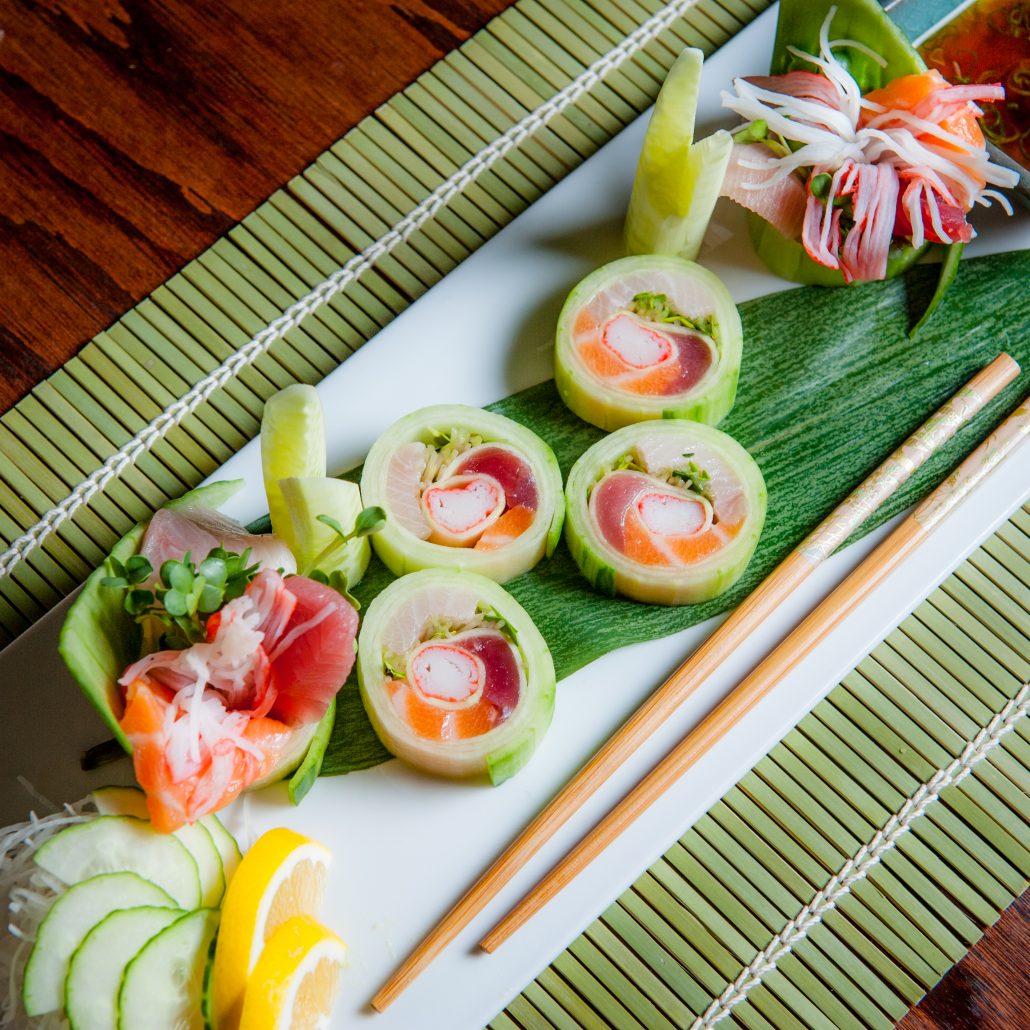
After many years of training and apprenticeship, the sushi master student will finally have the skills and experience to be appointed as an itamae. The new master sushi chef will have by now developed his own style for how to handle ingredients and wield the hocho. He will also have become very comfortable interacting with guests and working closely within the sushi preparation team. The world awaits the new itamae who will surely leave his mark on sushi menus somewhere around the globe and be remembered by many happy, satisfied sushi fans.
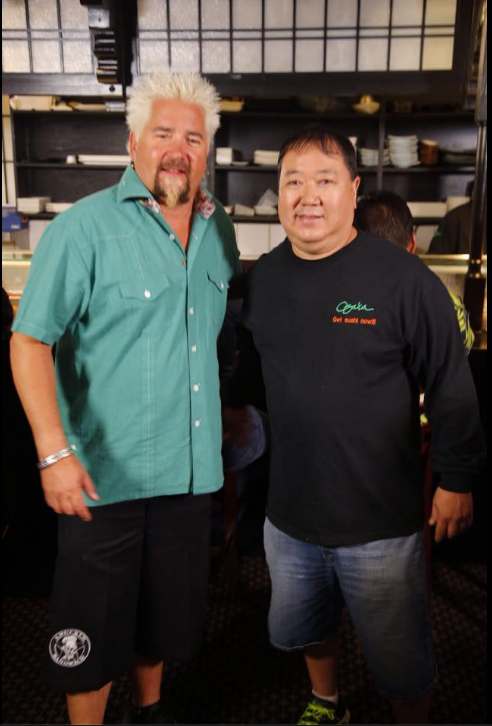
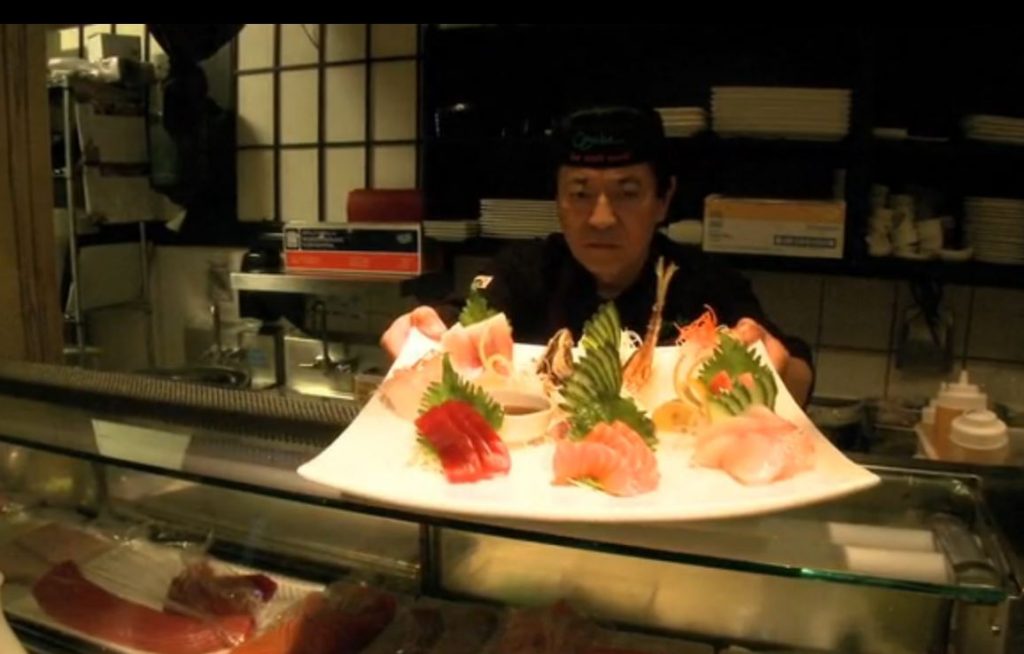
To see a great sushi chef in action, view the Food Network’s video that shows Osaka’s master sushi chef at work at our Sahara Ave Las Vegas restaurant, or stop by our West Sahara or Henderson locations and watch our master sushi chefs prepare the most authentic Japanese sushi in town.
 Whether you’re new to Las Vegas or a long-time resident, you owe it to yourself to check out the best sushi in Las Vegas. Osaka Japanese Bistro is a family owned and operated business that has given generations of Americans their first taste of traditional, richly flavored Japanese cuisine.
 Delight your palate at Osaka with three distinctive and delicious forms of Japanese cooking. Our menu offers a little bit of everything Japanese, and we’re glad to work around any dietary restrictions you may have.
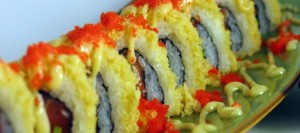
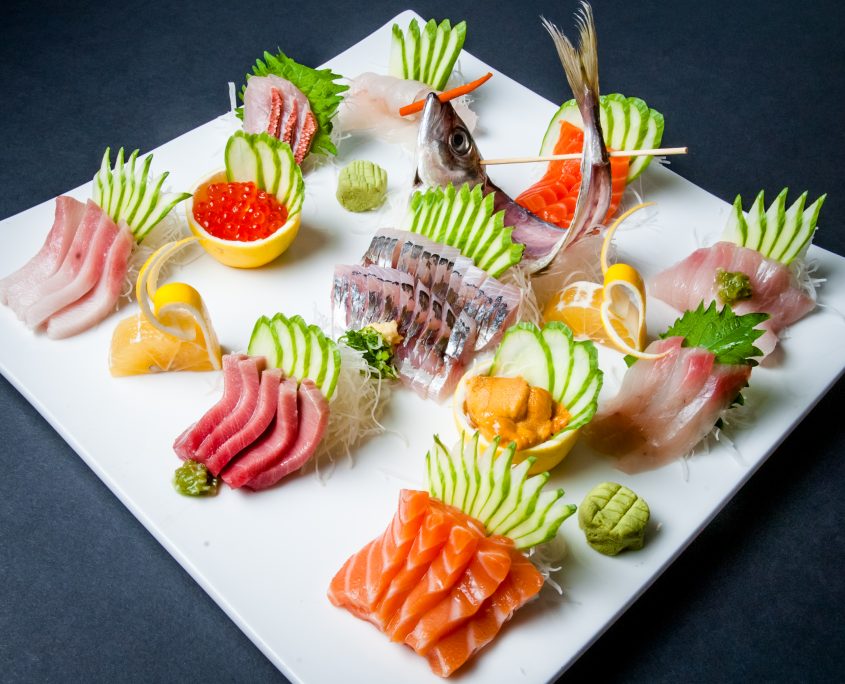
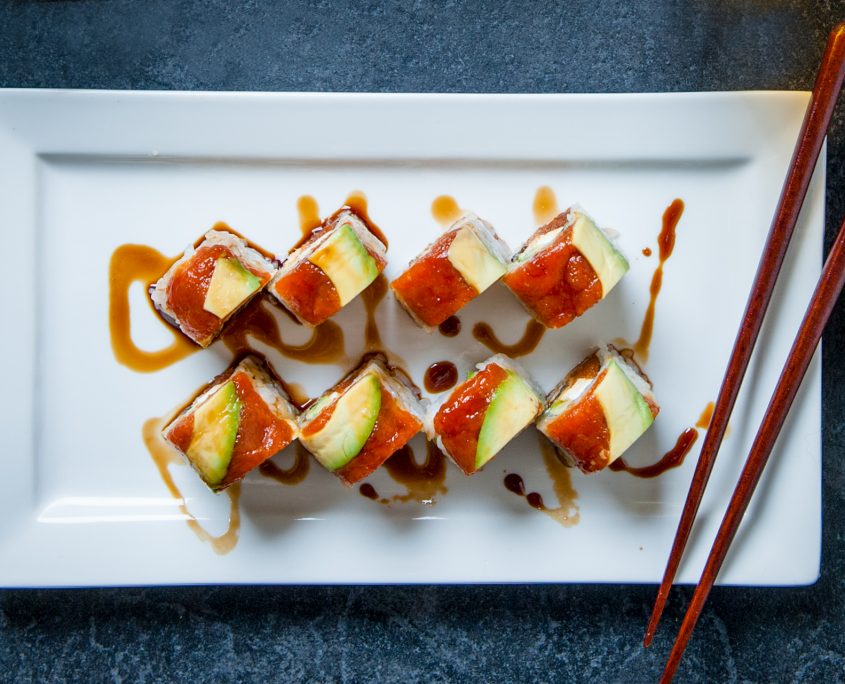
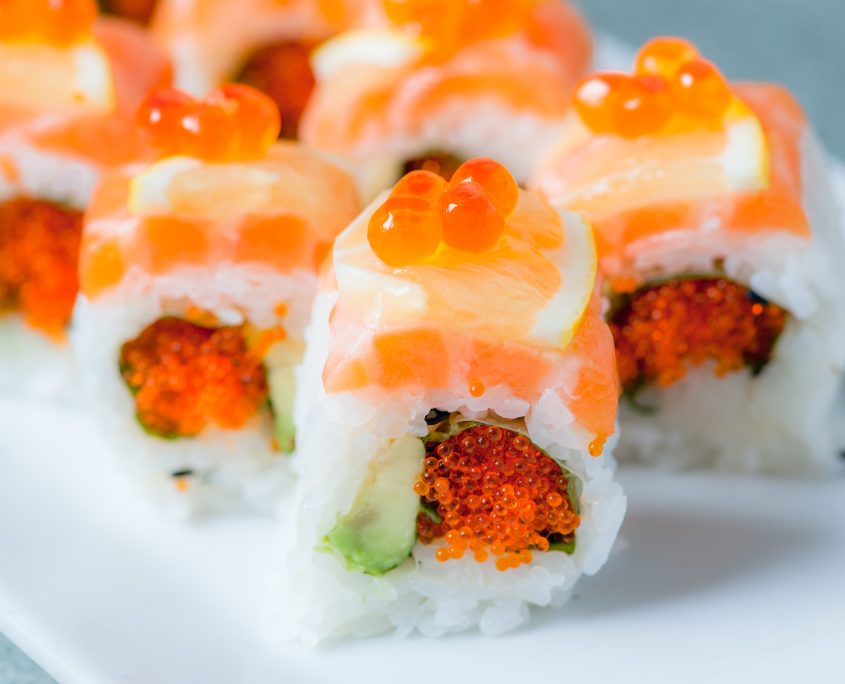
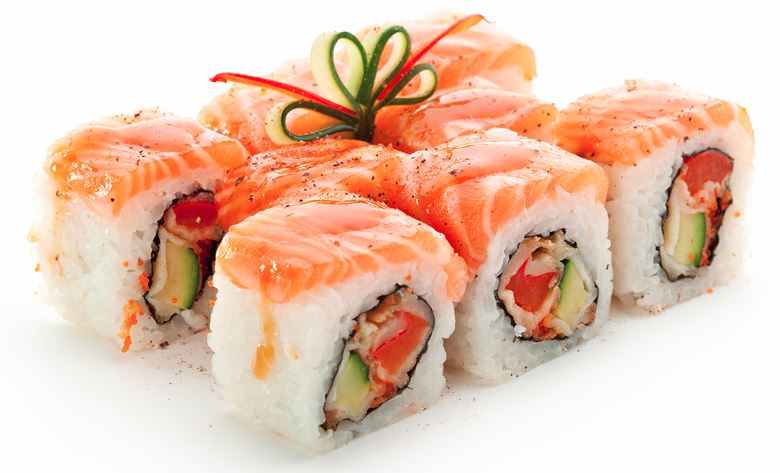
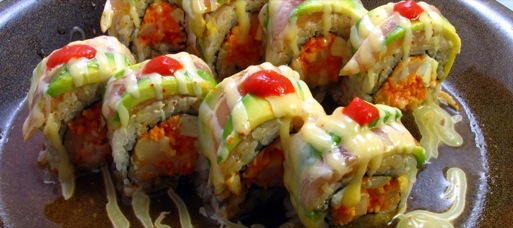 For a tasty and filling meal in a hurry, visit our sushi bar. We use only the finest fresh and seasonal ingredients to create a unique array of sushi dishes. If you’re new to sushi or not sure what you like, try our sushi sampler. This variety plate gives you a taste of four different rolls so you’re sure to find the one you love. If you’re a sushi afficionado, you’ll find a huge selection of traditional sashimi and sushi rolls, and some of our own creation, like our signature Pocket Aces roll (spicy crab, avocado, cream cheese and crunch, topped with salmon and fried onion and drizzled with Teriyaki, tataki and yumyum sauce).
 For an exciting night out with friends, you can’t beat our
  Founded in 1967 by native Las Vegan Sam Nakanishi, Osaka Japanese Bistro was Las Vegas’ first Japanese restaurant. As a great new option in a town with few ethnic food restaurants, Osaka’s fresh, healthy food and authentic Japanese atmosphere made it the place to be for local notables and regular folks as well. Today,
 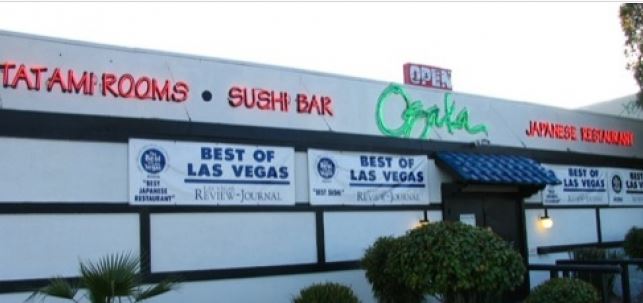 been recognized and acclaimed by food critics and diners around the world as one of the best Las Vegas restaurants. The Asahi Shukan, Japan’s largest and longest-circulating weekly magazine, named Osaka among the 50 best Japanese restaurants in the world – the only restaurant outside of Japan included on the list. Famed internationally, Osaka is well-known and well-loved by locals as well. Both the Las Vegas and Henderson locations are
 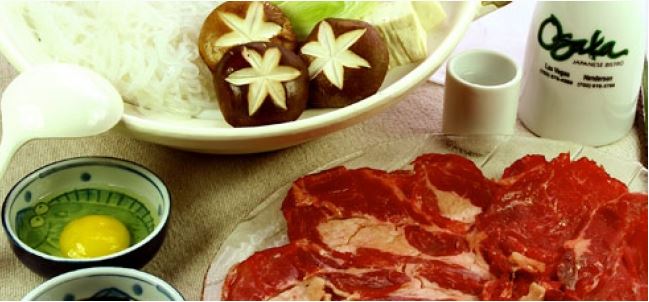 The basis for this enthusiastic praise rests with Osaka’s extensive and well-crafted menu and dining experience. Offering three Japanese dining styles–including a sushi bar, a teppanyaki grill and traditional tatami rooms–Osaka is designed to meet all of its diners’ Japanese food cravings. Osaka’s authentic dishes include over 30 appetizer options and 75 different sushi rolls. Befitting its stellar reputation, Aihara and his cooking staff use only the freshest ingredients based on seasonality to craft Osaka’s signature dishes, including sayori (halfbeak), awabi (live abalone), katsuo (bonita), kanpachi (rudderfish) aoyagi (live surf clams) and Blue Fin Toro. Many of these exotic ingredients are typically only found in Japan, and Osaka imports them to provide their sushi bar with the widest variety of any restaurant in Las Vegas.
 Having participated in numerous local charity events, Osaka is also a member of the Las Vegas Host Lions Club, a community organization dedicated to promoting volunteering and community pride. The Nakanishi family carries on its tradition of quality recipes and a passion for service that has sustained the popularity of Osaka with tourists and locals alike. Many return again and again to enjoy a delicious lunch or dinner, witness the cooking artistry at the teppan table, relax in a traditional tatami room or chat with friends at the sushi bar in a classic Las Vegas atmosphere. Patrons can choose between the historic,
 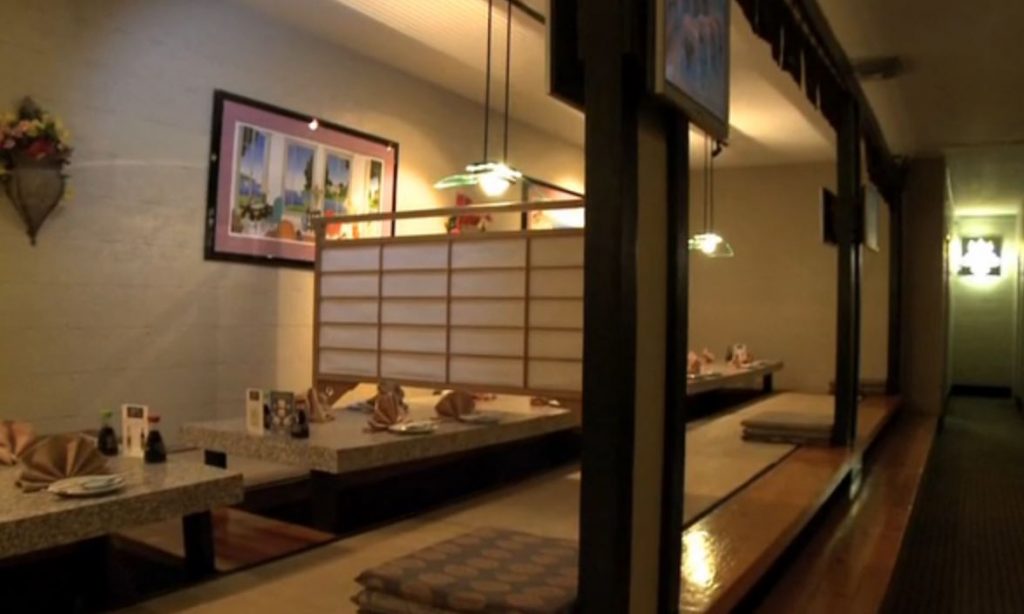 go there. You will immediately feel more immersed in the experience. There are certain things to keep in mind with a tatami floor: Take off your shoes before you step into the general eating area, and make sure that you do not step on any cushion except the one that you will be sitting on.
 should not eat until the other people at the table say “please go ahead” or
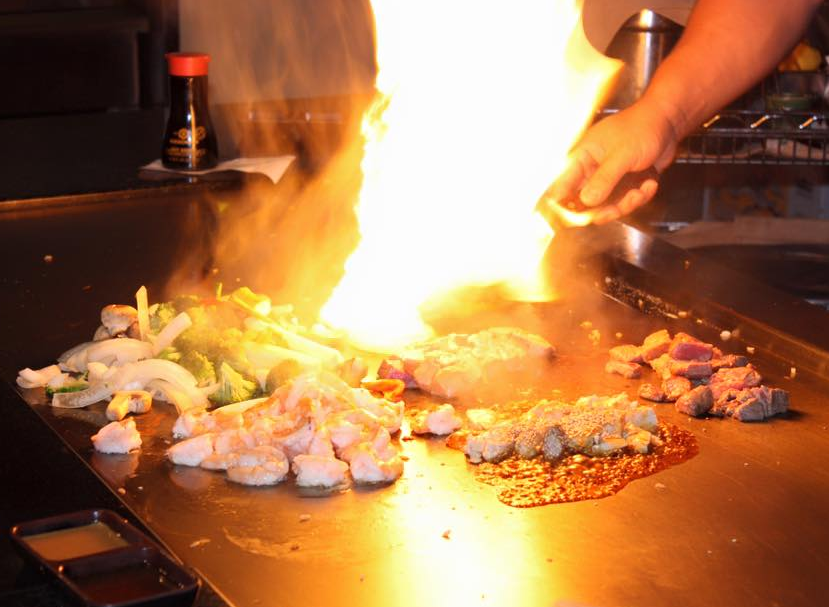
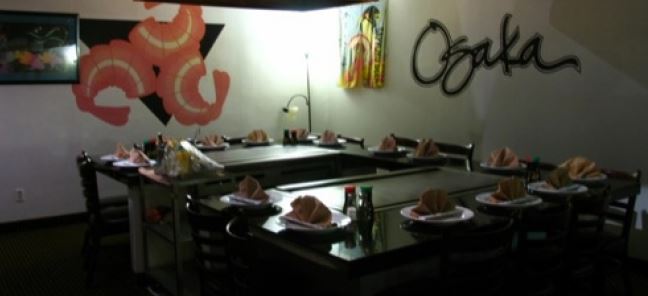 We thought it would be a good time to reintroduce our customers to teppanyaki dining. With spring and summer’s longer days coming up, our pleasantly warm Las Vegas evenings encourage people to dine out more often. Dinner at a traditional teppanyaki grill is a fun and different dining experience that is also tasty and healthy.
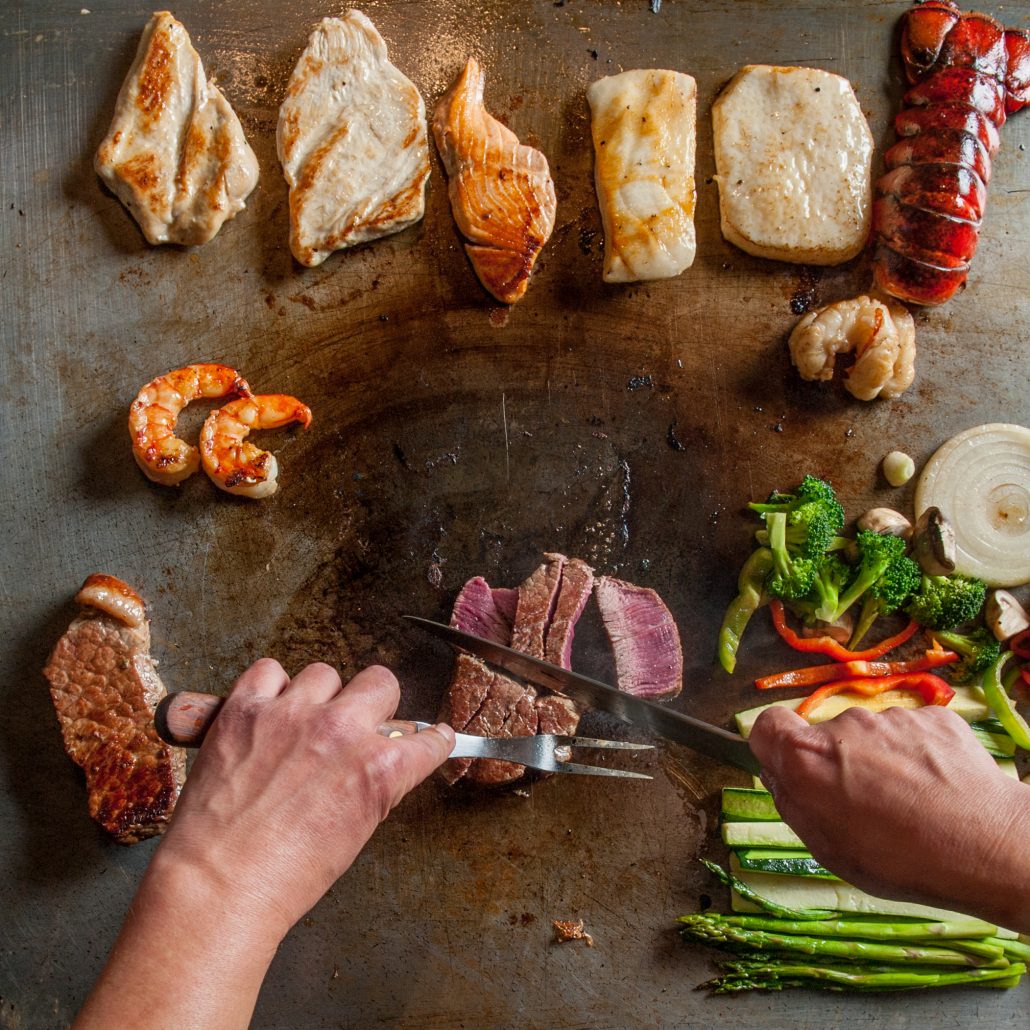
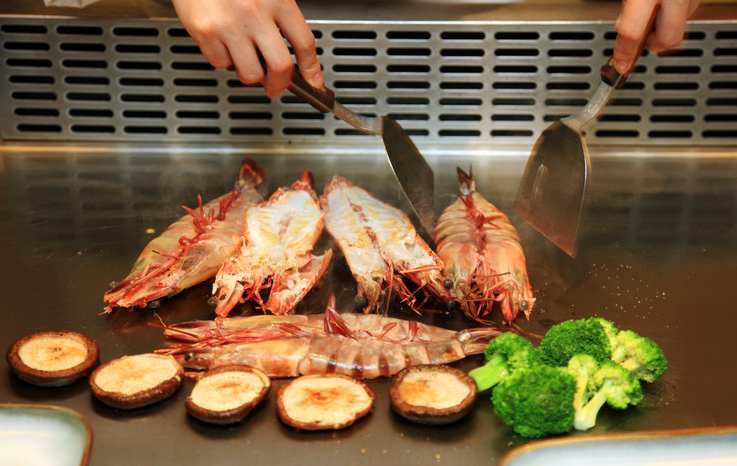
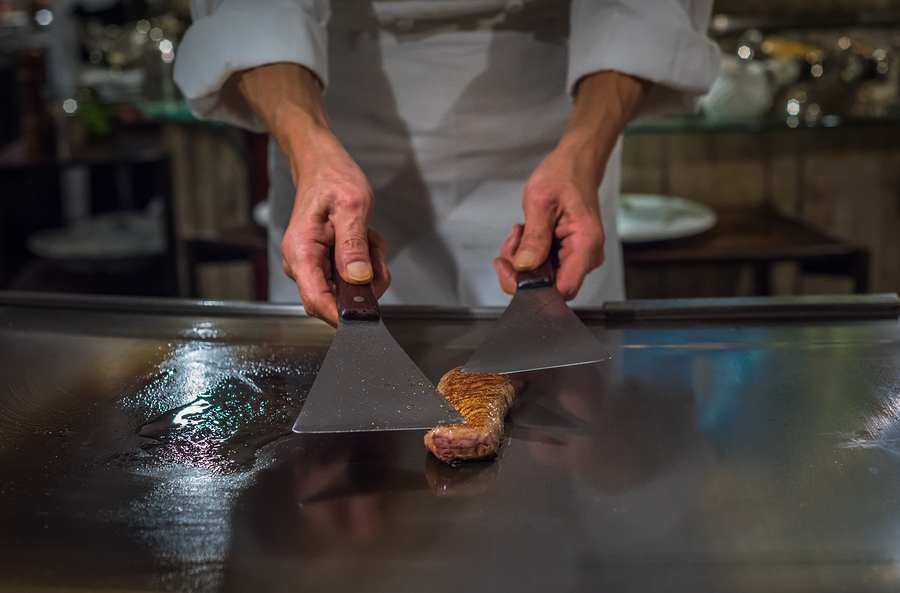 The flat, hot cooking surface is key to the flavorful preparation of Teppanyaki dishes. Teppan grills, which are usually propane heated, can reach temperatures up to 450° C. The solid, griddle-style surface allows for the cooking of small volume ingredients ingredients such as rice, eggs and vegetables that will accompany the main meat dish, so your entire meal is prepared fresh before your eyes. Unlike a typical restaurant meal, which often cools as it is brought to the table, the teppanyaki grill allows for every bite of your meal to be hot and fresh, as you eat while the chef works by your side on his hot cooking surface. The chef prepares the entire meal table-side from soup and salad to appetizers to vegetables, rice and entrees. It takes years for teppanyaki chefs to perfect the knife work and other skills required to cook in front of customers, as well as to learn the presentation style and tricks that make the Teppanyaki an entertainment experience as well as a meal.
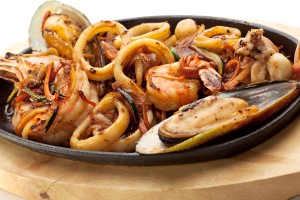 Since teppanyaki started in Kobe, beef is front and center on the menu with diners choosing from such cuts as rib eye, New York or filet mignon. Top restaurants, including Osaka Japanese Bistro, offer certified Kobe beef from Japan. Teppanyaki, however, is not just for steak lovers as chefs also prepare chicken and pork. Seafood teppan grill may feature anything from shrimp to jumbo sea scallops to calamari.
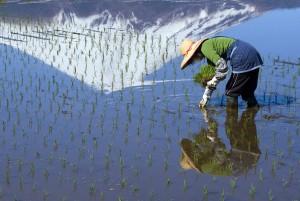 What’s identified today as the first type of sushi—called narezushi— was quite different from what we know today. During rainy seasons in Japan and southern China as early as 5th century B.C., lakes would flood fish into rice fields. People would preserve this excess fish by pickling it, stuffing it with rice, and preserved for nearly a year. When taken out of storage, the rice would often be discarded before the fish was served. While this tradition faded in China, it only grew in popularity in Japan.